What came out of the ground in Akashi can tell us what the ancient town was like. From Saturday, November 14, 2026, Akashi City Museum of Culture in Hyogo Prefecture, Kansai, Japan, holds the special exhibition “Excavated Akashi History: The Harima no Kuni Fudoki and Akashi”, which runs until Monday, January 11, 2027 (a national holiday). It is the latest in a yearly series that shows artifacts found at sites in and around Akashi, with a different theme each time.
Filling the gap left by the lost Akashi section with excavated objects
The *Harima no Kuni Fudoki*, compiled in the Nara period (710–794), is a valuable record of place-name origins and local legends across old Harima Province. The section on Akashi District, however, has been lost. Had it survived, it would very likely have touched on the origins and names of the temples and tombs that remain as archaeological sites today.
The exhibition therefore centers on finds from sites of the 7th and 8th centuries, the age of the fudoki, and uses the results of excavations to picture Akashi at that time. It tries to fill a gap in the written record with what has come out of the soil.
Highlights: rituals, post stations and finds from nearby areas
There are three main points of interest.
- Items that speak of ancient rituals, including finds from Fujie Bessho Site, where a wheel-shaped stone (*sharinseki*) and bronze mirrors were found in a well
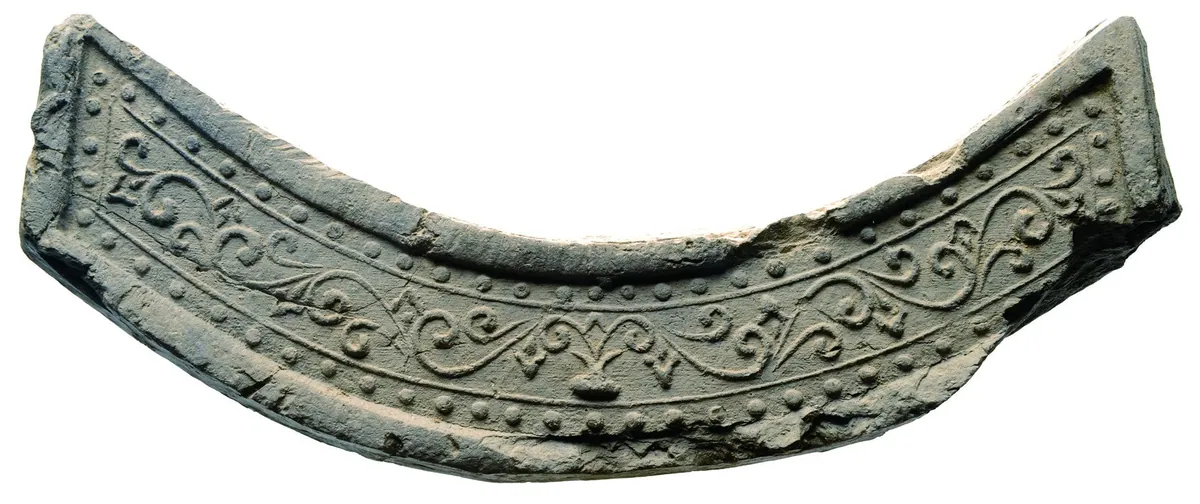
- Roof tiles linked to the Akashi and Omi post stations (*umaya*), which bring into view these hubs of ancient transport
- Finds from surrounding areas, including Kobe City, the Hyogo Prefectural Museum of Archaeology and Taka Town, shown alongside Akashi’s own
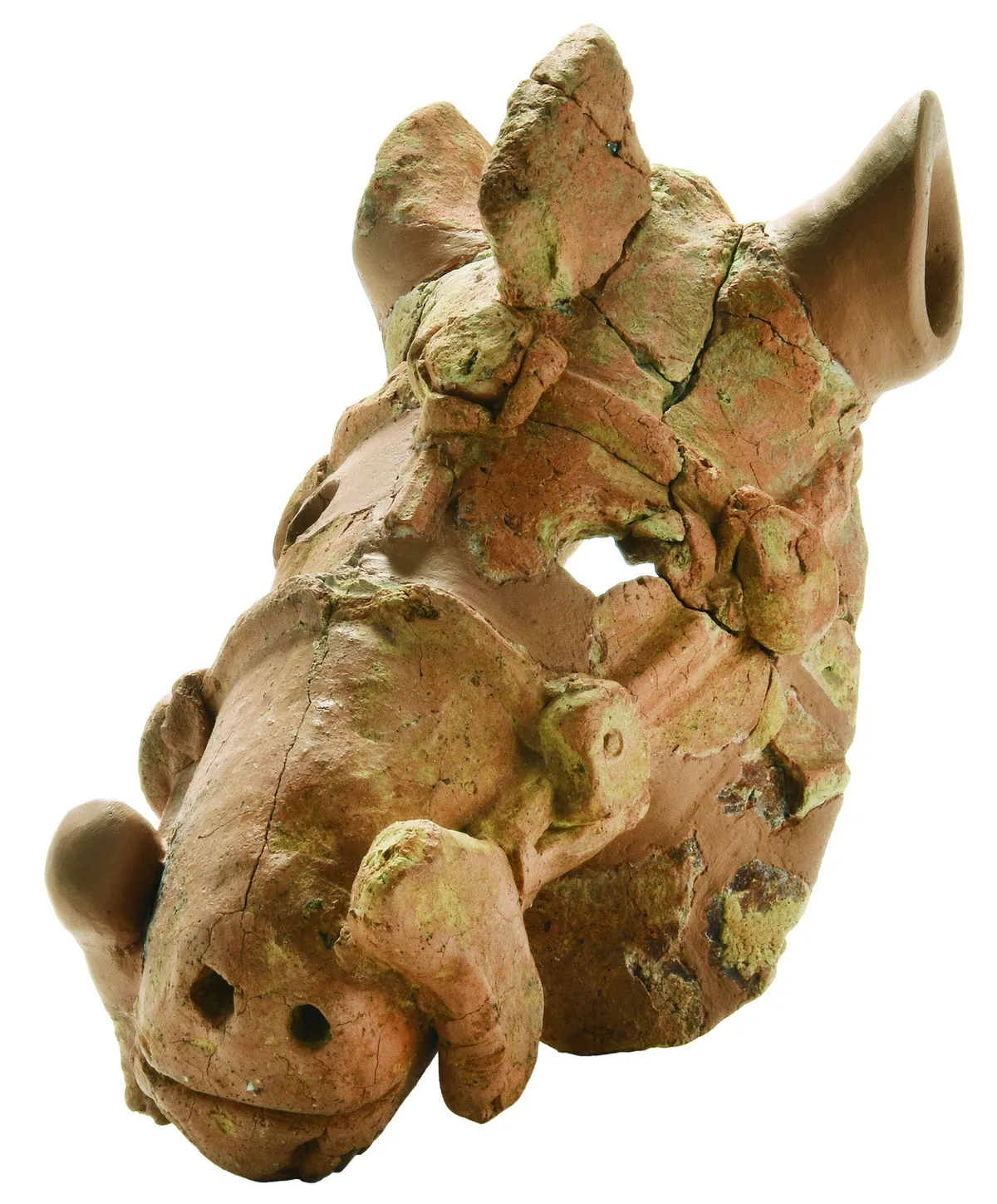
The display has seven chapters. “Akashi in the Kofun Period” is planned to include cylindrical haniwa, Sue ware and the horse-shaped haniwa from Terayama Kofun; the “Post Stations” chapter brings roof tiles from Okura Nakamachi Site and others; and the “Akashi District Office” chapter shows wooden tablets and a circular inkstone. Other chapters cover “Akashi in the 7th Century”, “Temples”, “Omi Tonomiya and Nakisumi no Funase”, and “Ritual Sites of the Kofun Period”. The exhibits are the current plan, so it is worth checking for the latest details before you go.
Lectures, a symposium and a report session
Two related events are planned during the exhibition. For each, you need an admission ticket for that day.
The first is the lecture and symposium on Sunday, December 13, 2026, 13:00–16:30. 菱田 哲郎 (director of the Hyogo Prefectural Museum of Archaeology), 春成 秀爾 (professor emeritus, National Museum of Japanese History) and 高橋 明裕 (part-time lecturer, Ritsumeikan University) will give keynote lectures. The symposium that follows is coordinated by 丸山 潔 (member of the Akashi Cultural Properties Protection Council).
The second is a report and lecture on Saturday, January 9, 2027, 13:00–15:00. 稲原 昭嘉 of the Akashi City historical and cultural properties office will present “From the Survey of Sites Related to the Fudoki”, and 古市 晃 (professor, Graduate School of Humanities, Kobe University) will lecture on “The Historical World of Ancient Akashi: Fudoki and Sea Transport”.
Both take place in the Large Conference Room on the 2nd floor (reception opens at 12:30), with 80 seats on a first-come basis. Applications are taken through an online form from 10:00 on Thursday, November 5 until 15:00 the day before each event. Up to four people can apply per group.
Exhibition information
- Name: Special exhibition “Excavated Akashi History: The Harima no Kuni Fudoki and Akashi”
- Dates: Saturday, November 14, 2026 – Monday, January 11, 2027 (national holiday)
- Hours: 9:30–17:30 (last entry 17:00)
- Closed: Mondays (open on November 23 and January 11); year-end and New Year holidays (December 28 – January 4)
- Venue: Akashi City Museum of Culture, Special Exhibition Room, 1st floor (2-13-1 Uenomaru, Akashi, Hyogo)
- Access: 5 minutes on foot north of Akashi Station (JR / Sanyo Electric Railway)
- Admission: Adults ¥200, university and high school students ¥150, junior high school students and younger free. Groups of 20 or more get 20% off; visitors aged 65 and over pay half price; free with a Senior Ikiiki Passport. Admission is free on Sunday, December 6
- Inquiries about the related events: Historical and Cultural Properties Office, 078-918-5629 (9:00–17:30; closed Sundays, Mondays, national holidays and November 24)
- Organizer: Akashi City / Co-organizer: Akashi City Museum of Culture