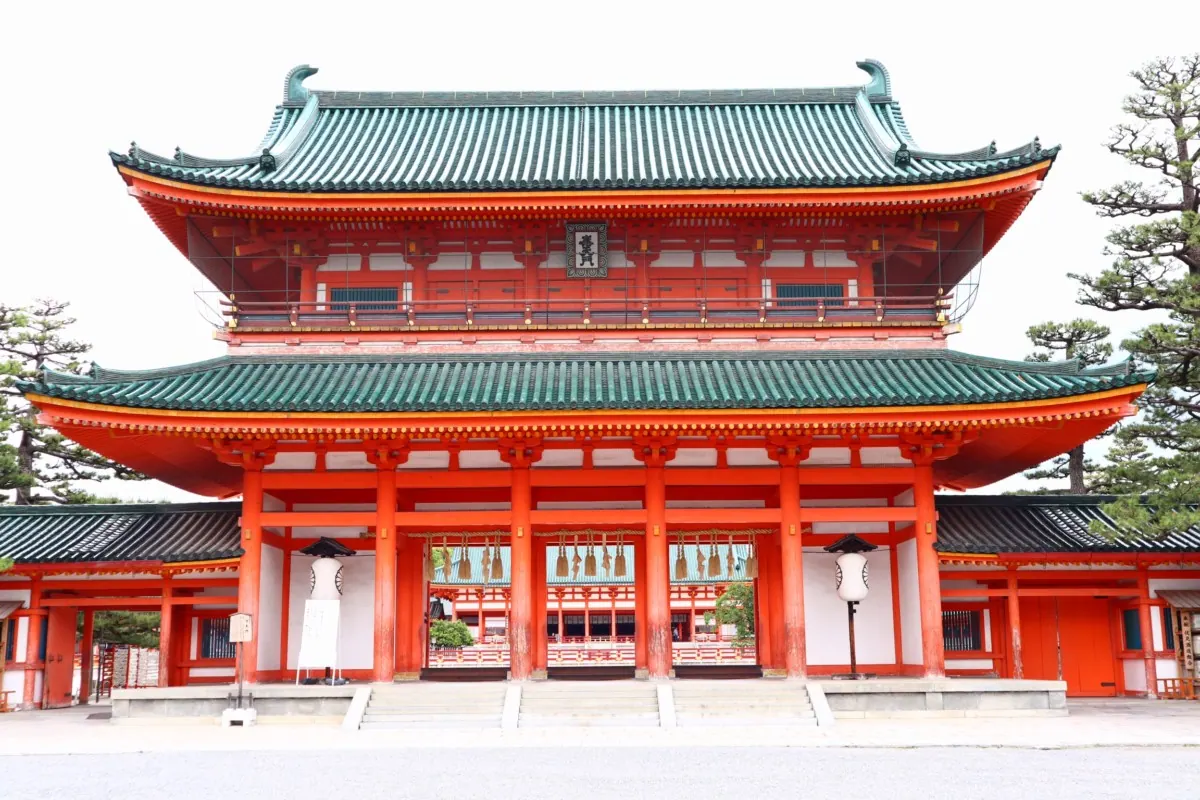
Heian Jingu Shrine was founded on April 1, 1895, to commemorate 1,100 years since the capital moved from Nagaoka-kyo to Heian-kyo (Kyoto). (Sakyo-ku, Kyoto)
The shrine enshrines two emperors: Emperor Kanmu, who moved the capital to Heian-kyo, and Emperor Komei, the last emperor to reign in Kyoto.
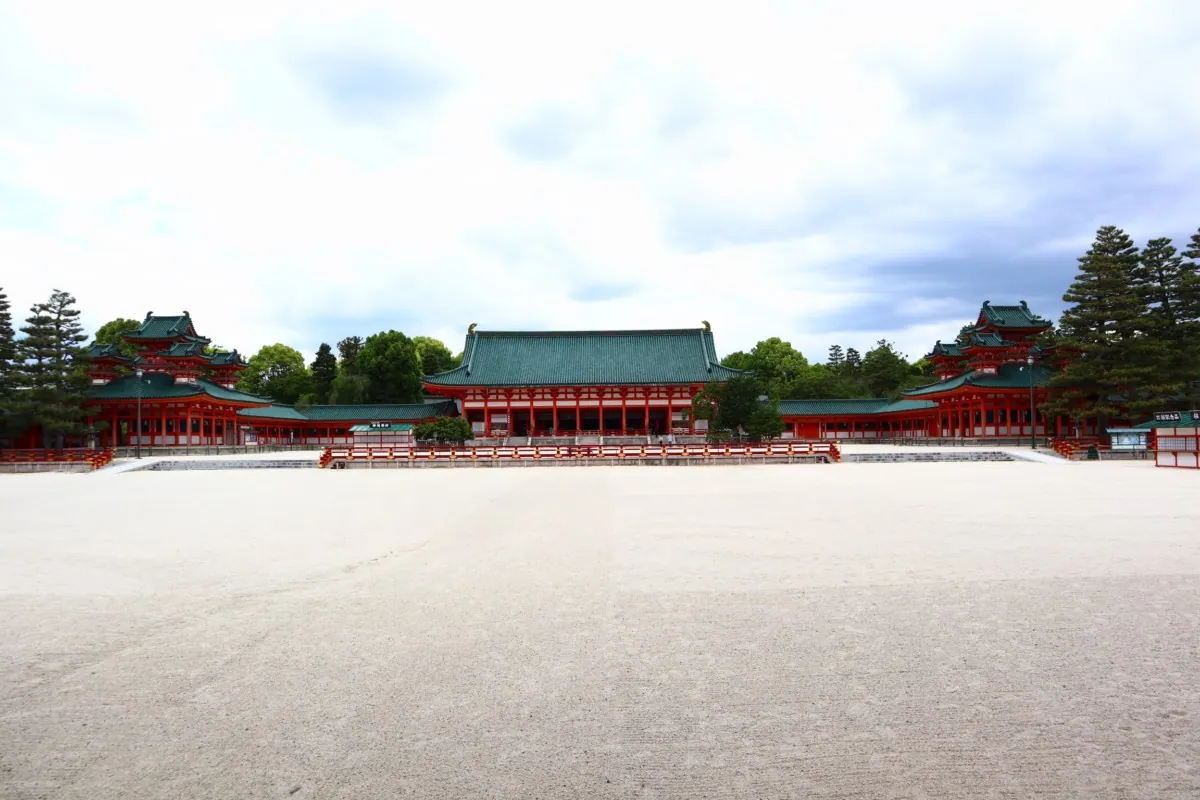
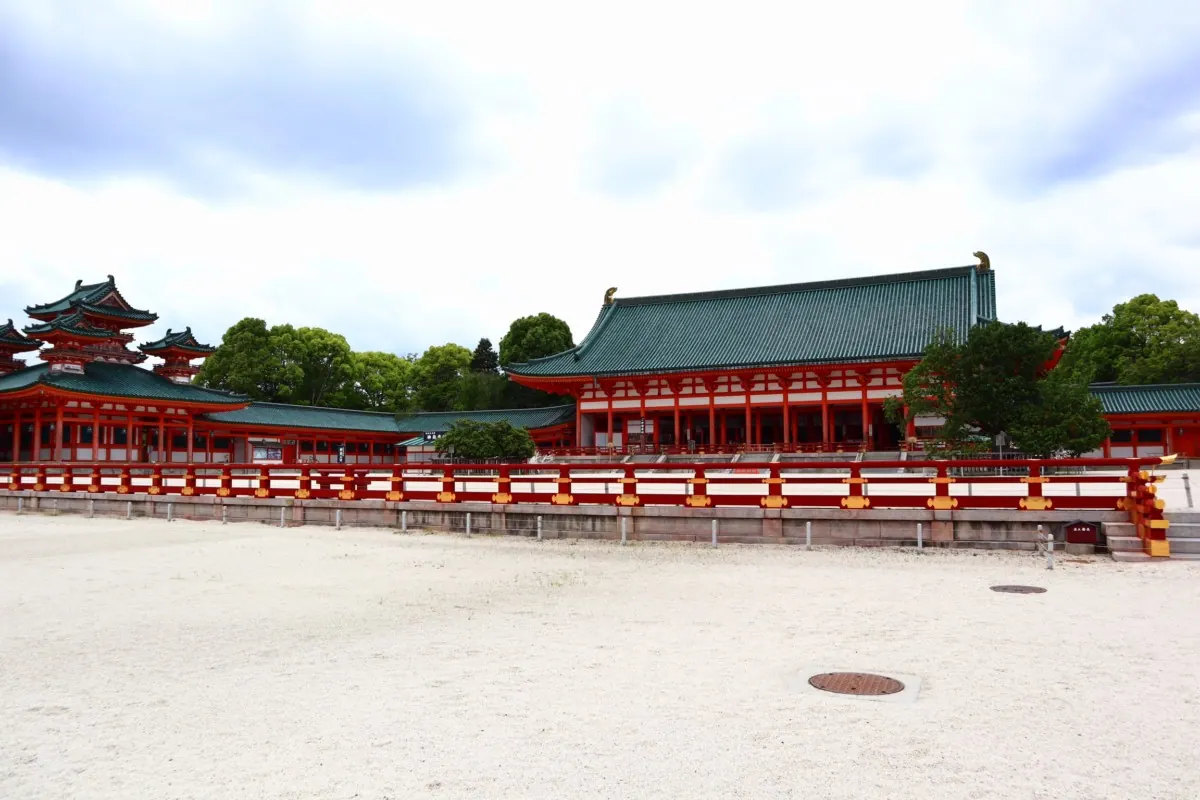
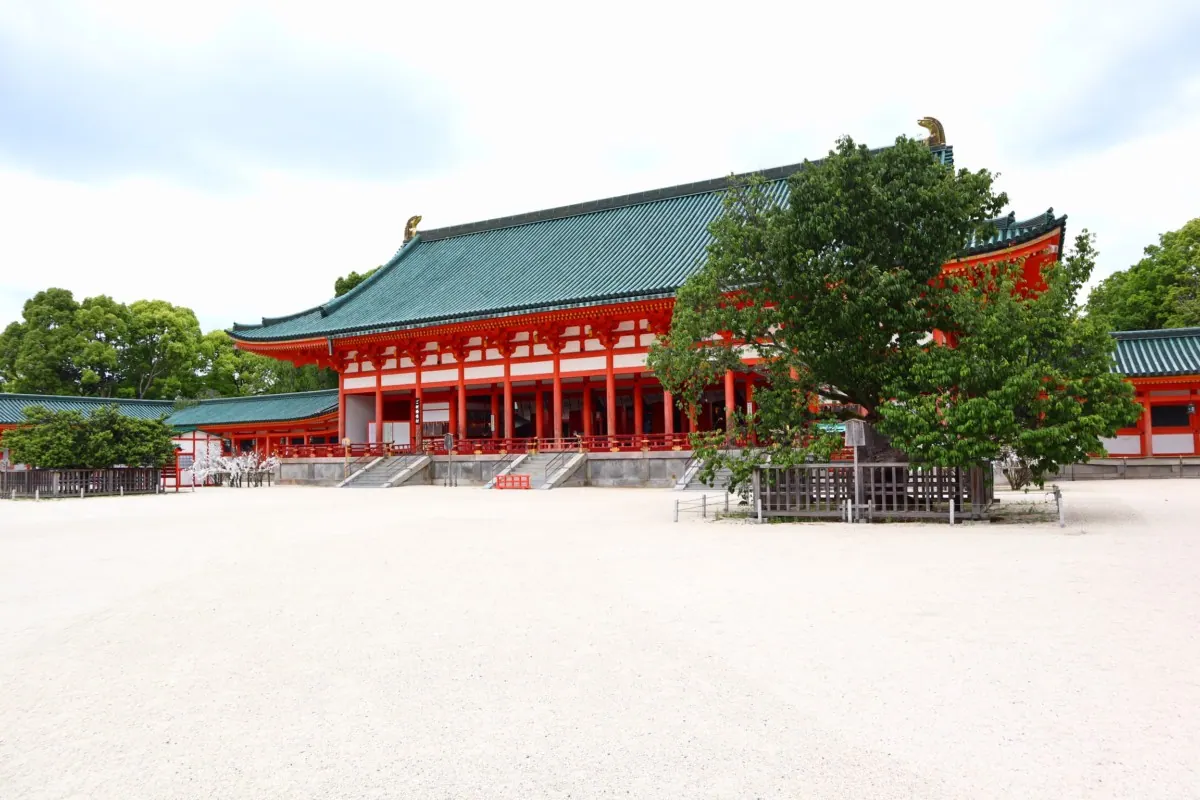
On its vast 33,000-square-meter grounds stand shrine buildings that recreate the main government hall of the Heian period, surrounded by gardens made with traditional landscaping techniques. When the shrine was founded, Kyoto had been devastated by the fighting at the end of the Edo period. The shogunate’s forces were defeated by the new government’s army, and the era changed from Edo to Meiji. The capital’s functions moved from Kyoto to Tokyo, and deep pain and sorrow spread across the city.
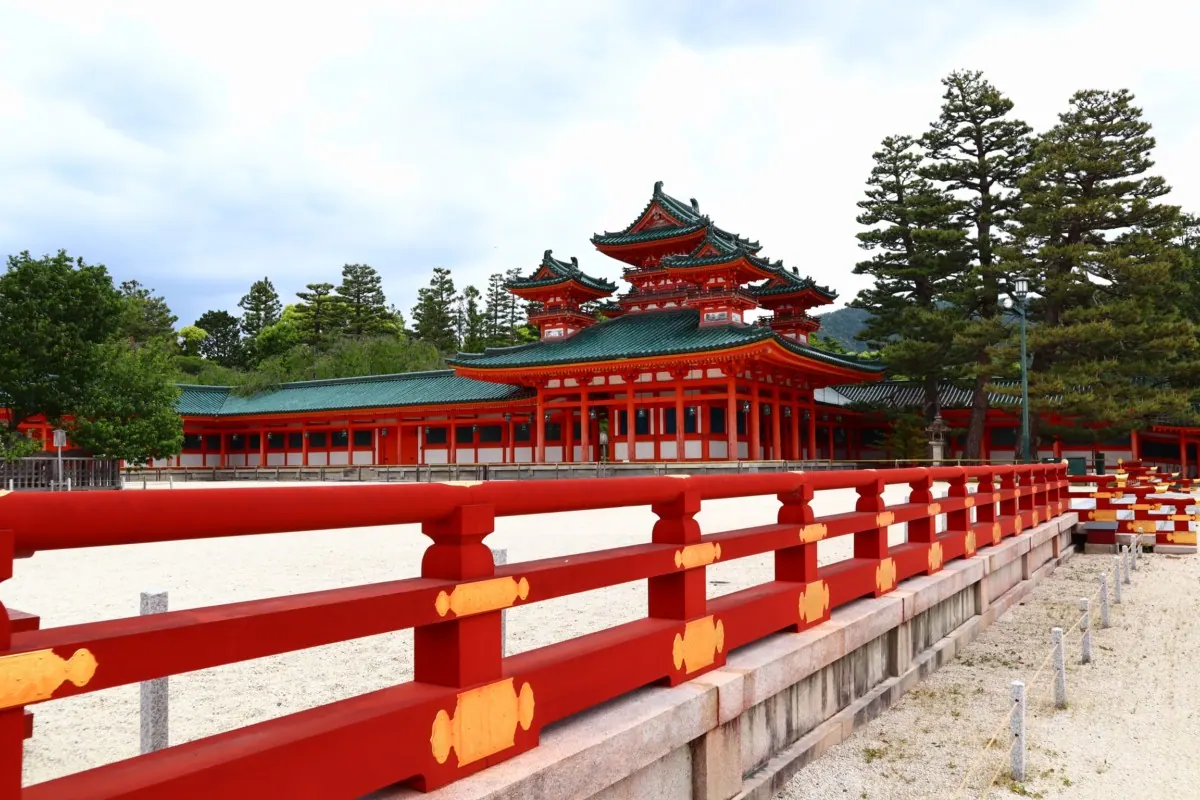
Even so, people from all over Japan who wanted to bring brightness back to Kyoto came together, and Heian Jingu was built in the milestone year marking 1,100 years since the move to Heian-kyo, with prayers for Kyoto’s revival.
Jidai Matsuri
One of Kyoto’s three great festivals, held every year on October 22.
Blessings
- Good relationships and matchmaking
- Good fortune
- Warding off bad luck
- Health
- Safe childbirth
- Success in studies
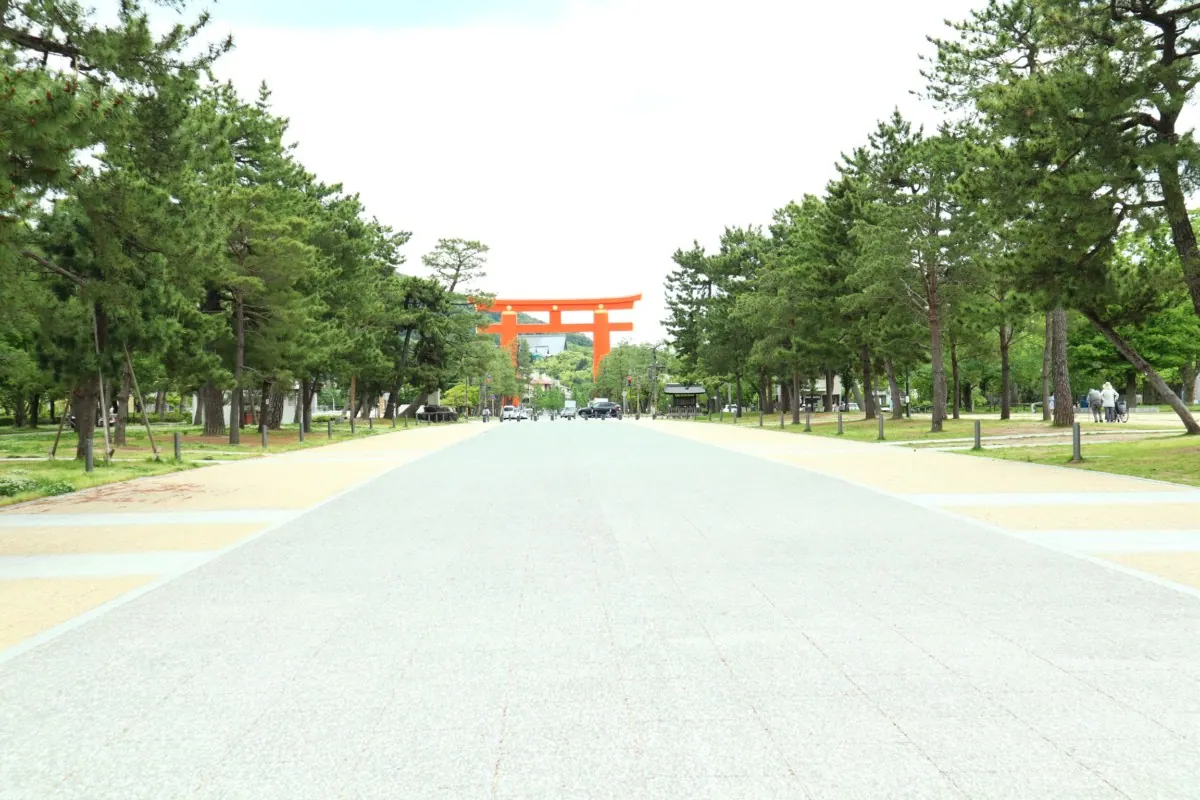
Kyoto Five Shrines pilgrimage
- Heian Jingu
- Kamigamo Shrine
- Yasaka Shrine
- Matsunoo Taisha
- Jonangu
It is said that visiting these five shrines in Kyoto multiplies their blessings: good fortune, protection from bad luck, prosperous business, good relationships and success in studies.
Information
- Heian Jingu Shrine
- Address: Okazaki Nishitenno-cho, Sakyo-ku, Kyoto
- Phone: 075-761-0221
- Website: http://www.heianjingu.or.jp/
- Information is as of the original Japanese article (2020). Please check the official website for the latest details before visiting.
Reporting: 山下大輔 / Text: EeNa editorial team