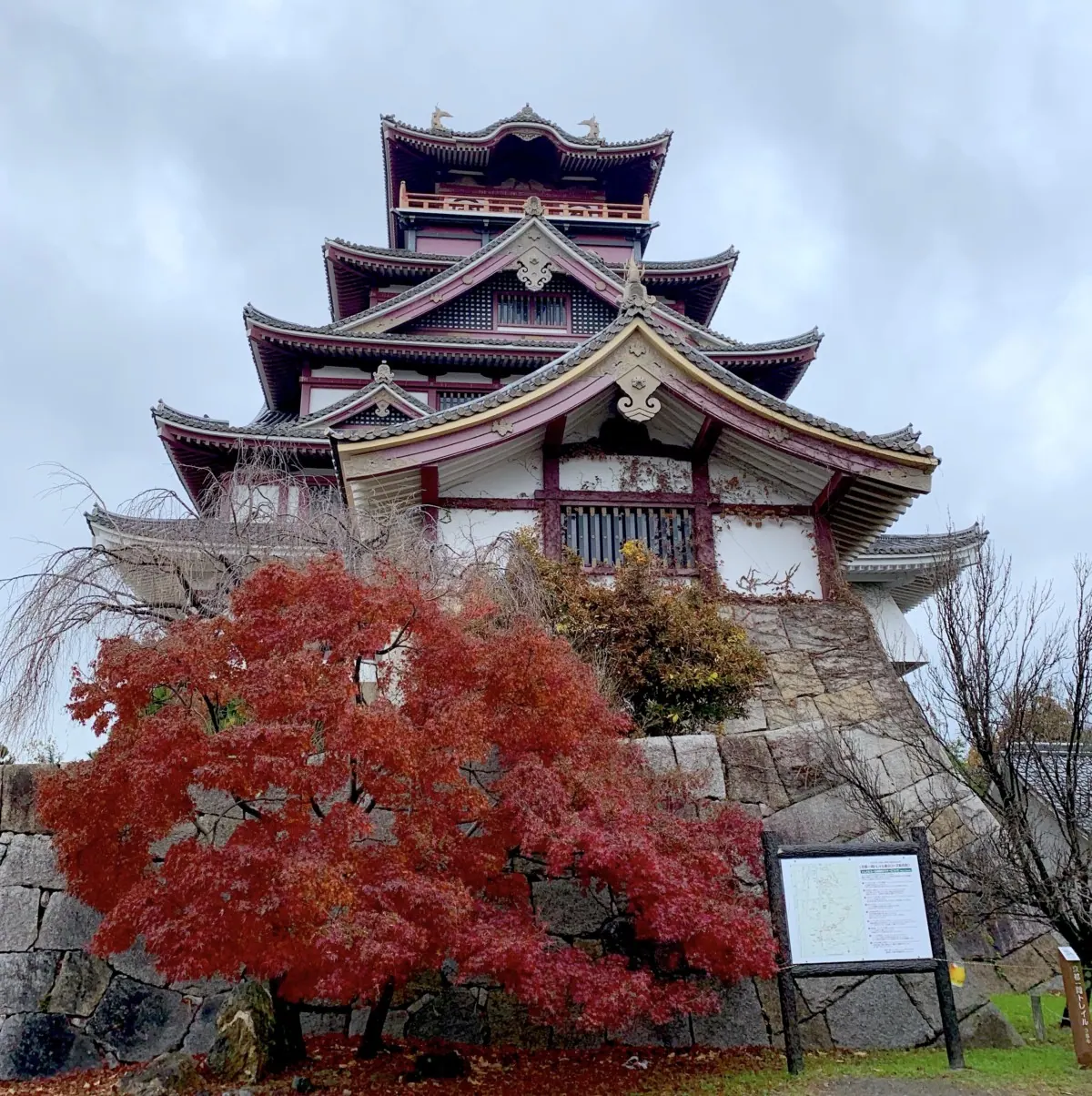
Fushimi Castle was built by Toyotomi Hideyoshi in 1592. It collapsed in a major earthquake in 1596, but Hideyoshi rebuilt it. After his death, it is said to have been rebuilt by Tokugawa Ieyasu.
After handing over the post of imperial regent in 1591, Hideyoshi built Fushimi Castle the following year on Mt. Shigetsu, a beautiful spot for moon viewing. The castle collapsed in the great earthquake of 1596, so Hideyoshi moved to Mt. Kohata, where the Momoyama imperial mausoleum stands today, and rebuilt Fushimi Castle there.
In 1598, Hideyoshi died inside Fushimi Castle, which he had been using as his place of retirement. Later, in the Battle of Sekigahara, Ieyasu’s retainer Torii Mototada held the castle, but he was defeated by the Western Army and the castle burned down.
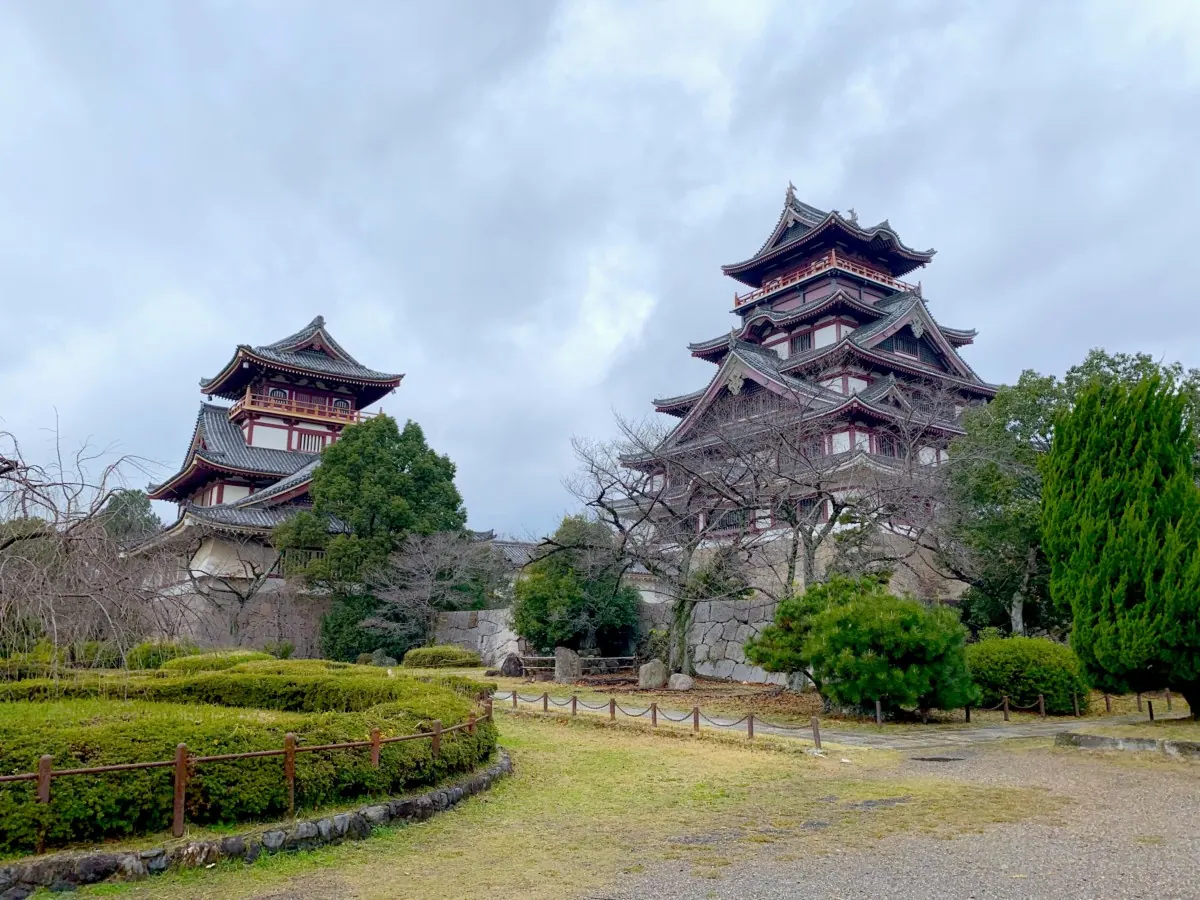
Ieyasu rebuilt Fushimi Castle in 1602, but it was abandoned 17 years later. Peach trees were planted on the site and the area came to be called Momoyama (“peach mountain”), which is how the name Fushimi-Momoyama Castle eventually came about.
Today a castle keep stands on the site, but entry is prohibited because it does not meet earthquake-resistance standards.
Information
- Fushimi Castle
- Address: 45 Momoyama-cho Okura, Fushimi-ku, Kyoto
- Information is as of the original Japanese article (2020). Please check the official website for the latest details before visiting.
Text: EeNa editorial team