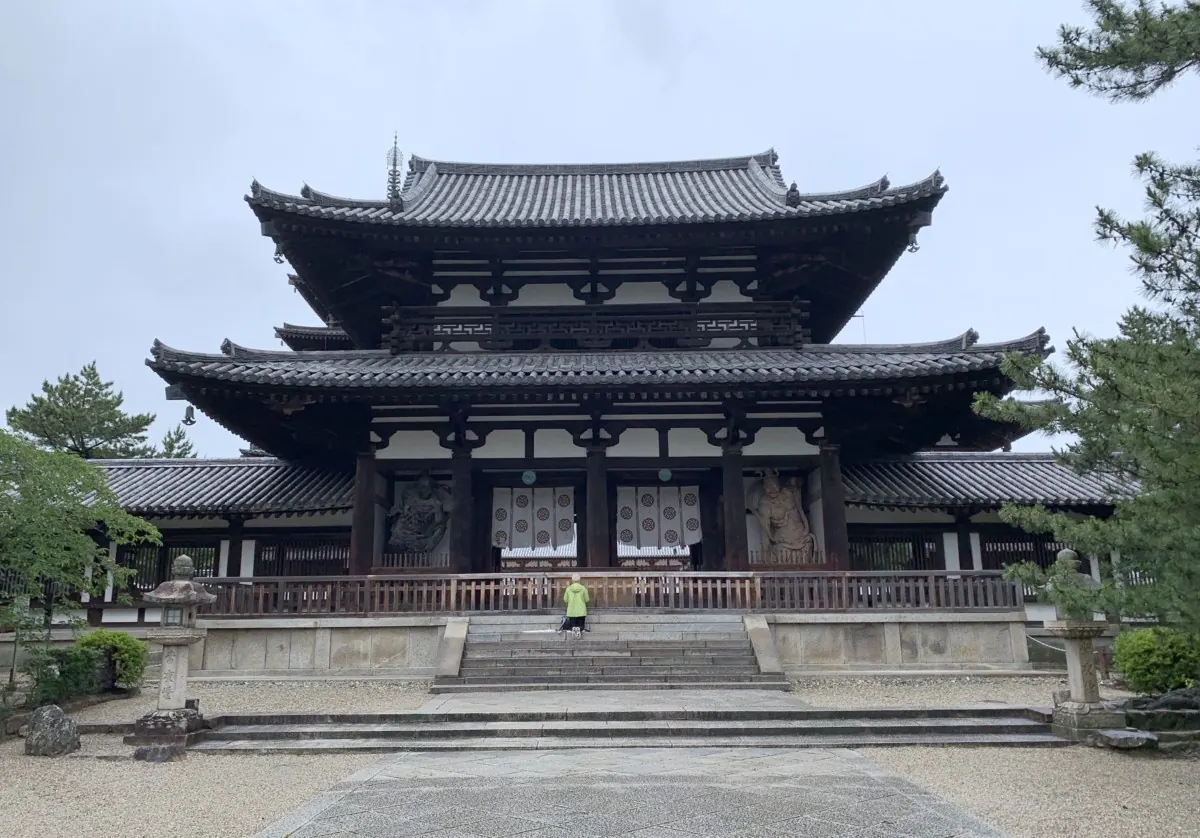
Horyu-ji was founded in 607. According to tradition, Prince Shotoku and Empress Suiko built it to pray for the recovery of Emperor Yomei — the prince’s father and the empress’s older brother — from illness. (Ikaruga-cho, Ikoma-gun, Nara Prefecture)
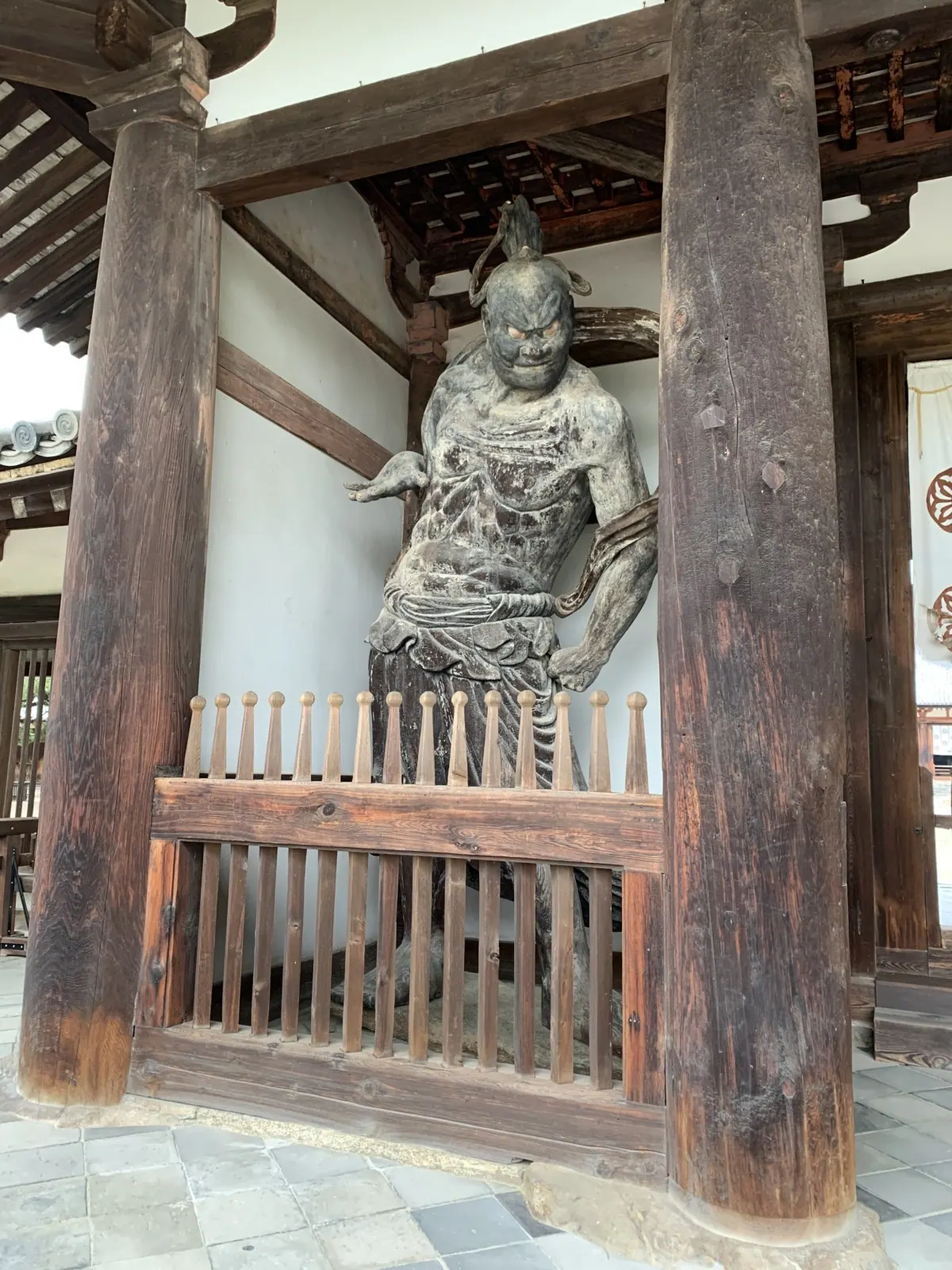
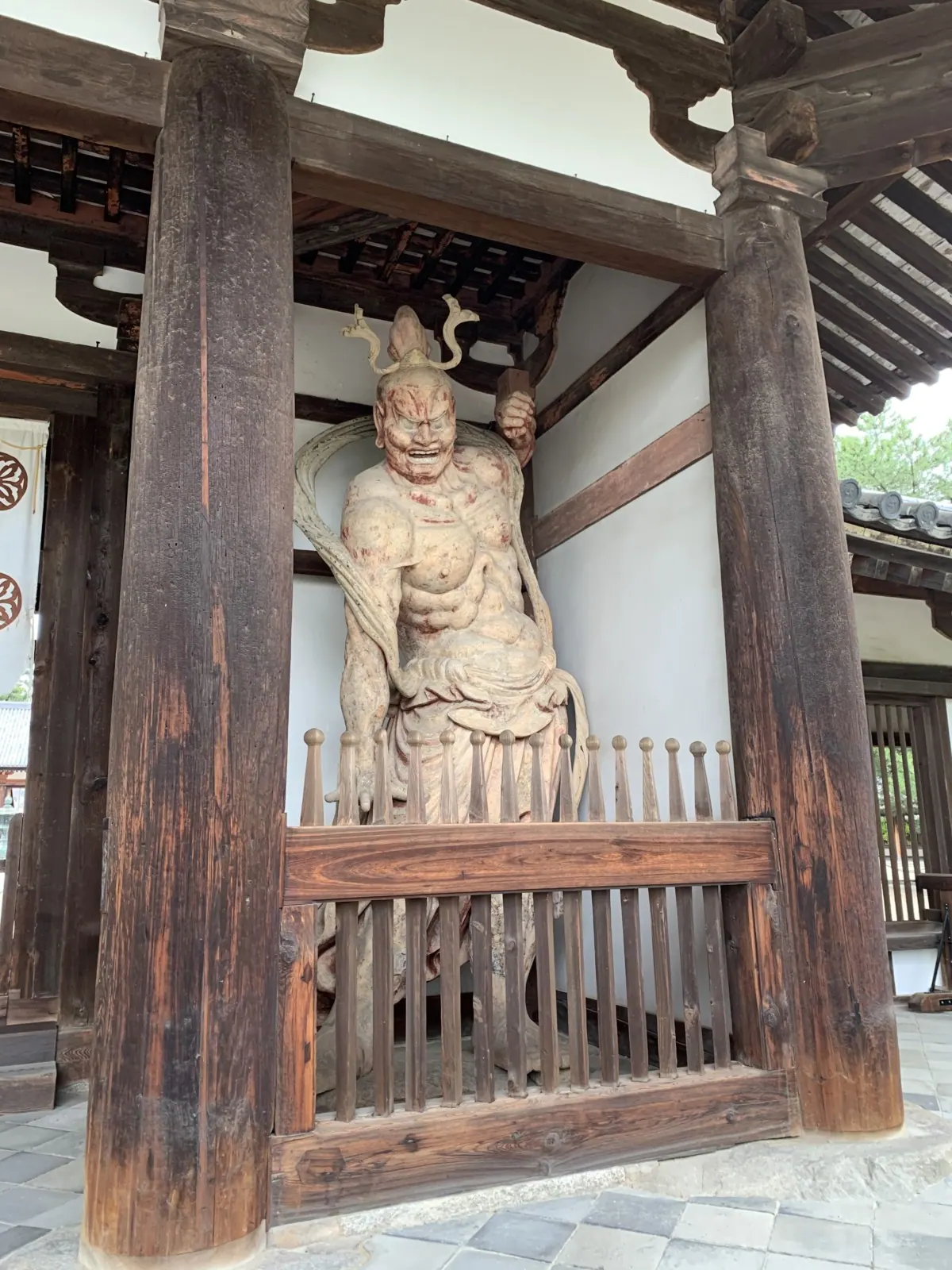
The Nihon Shoki (Chronicles of Japan) records that the temple burned down in 670, and the present temple was completed in the first half of the 8th century.
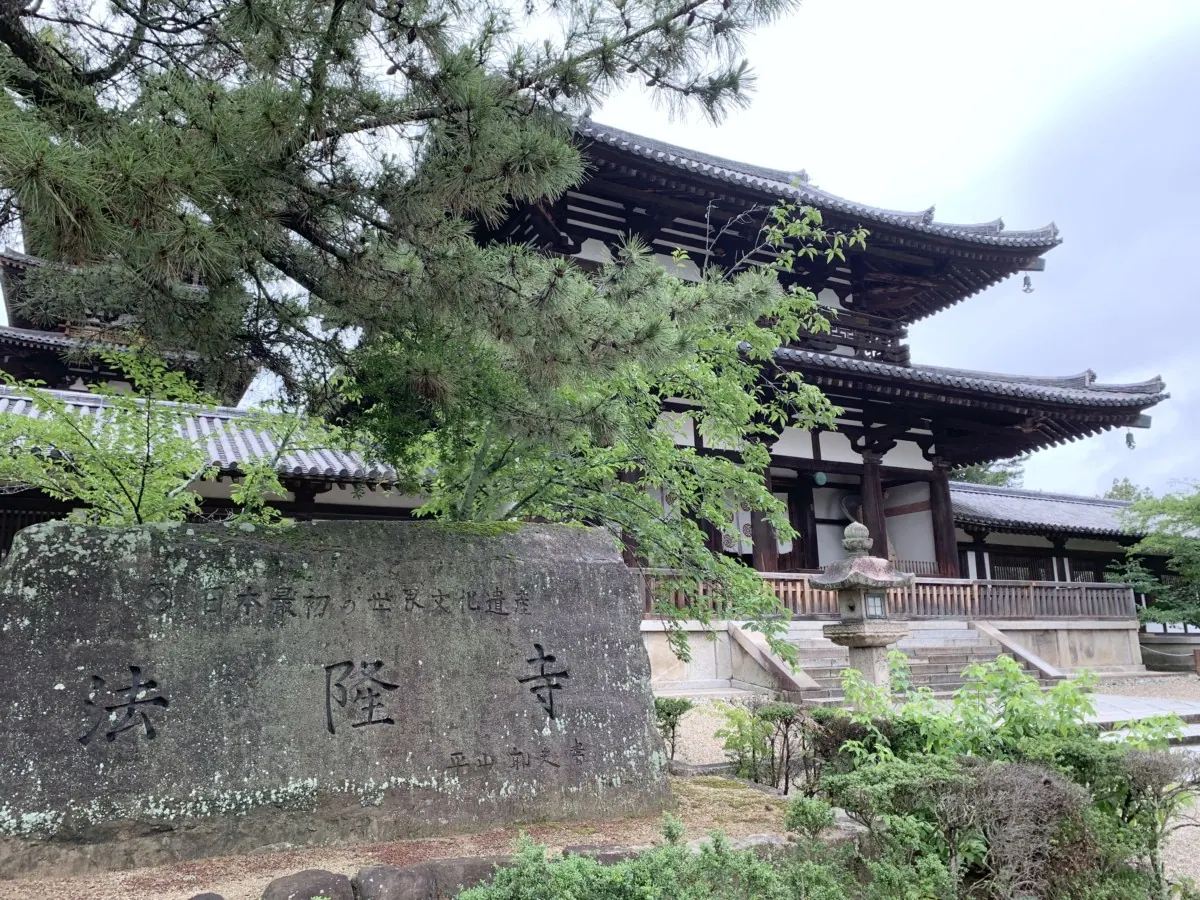
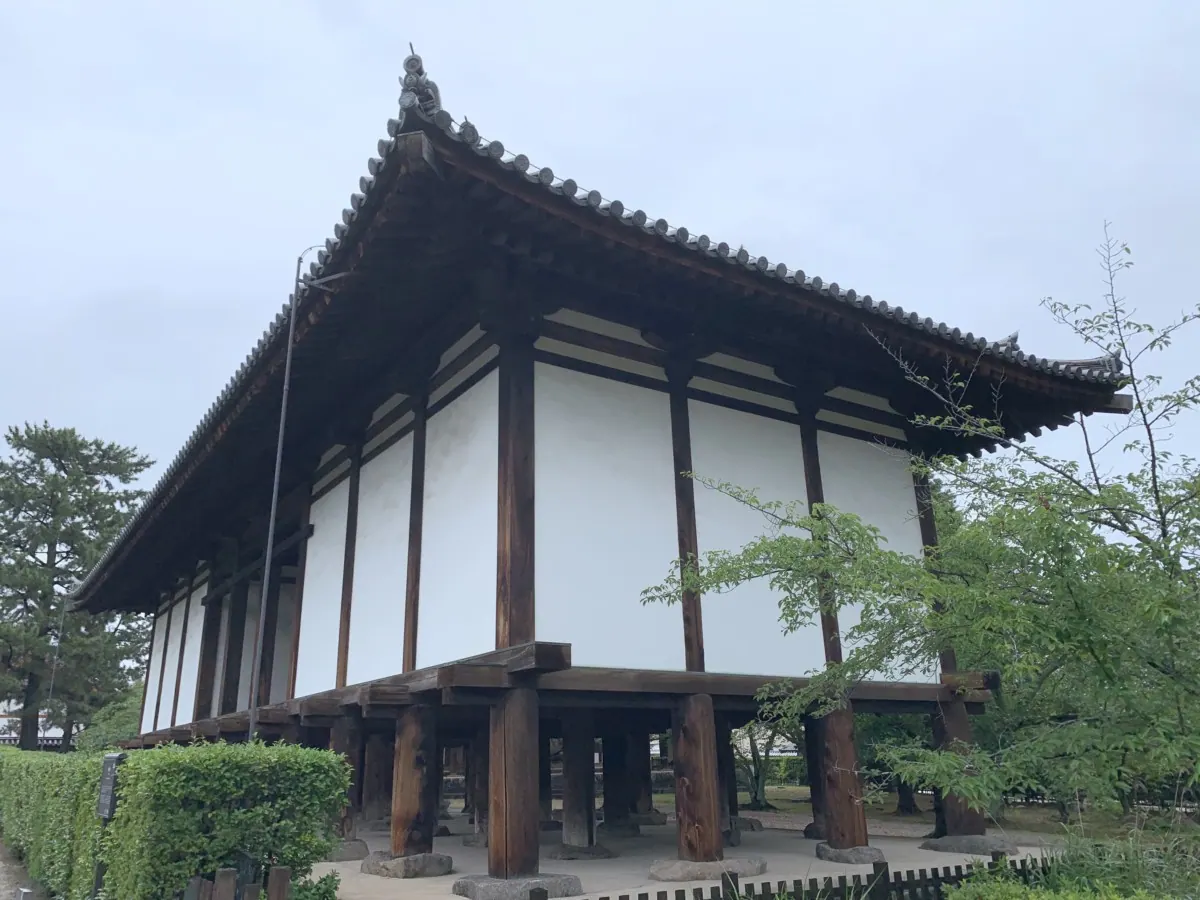
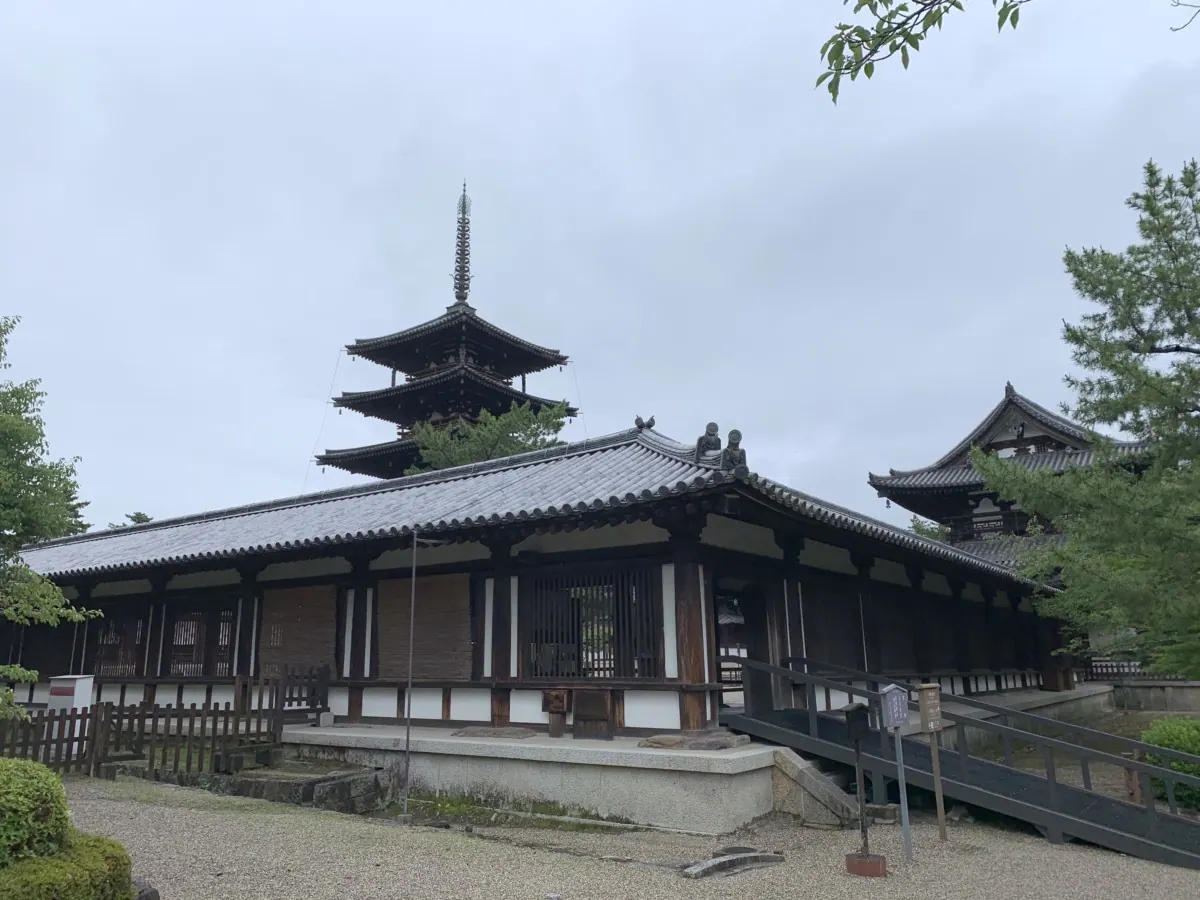
Horyu-ji has never been struck by natural disaster or war, protected by faith in Prince Shotoku. As the world’s oldest surviving wooden buildings, it was registered as a UNESCO World Cultural Heritage site in 1993.
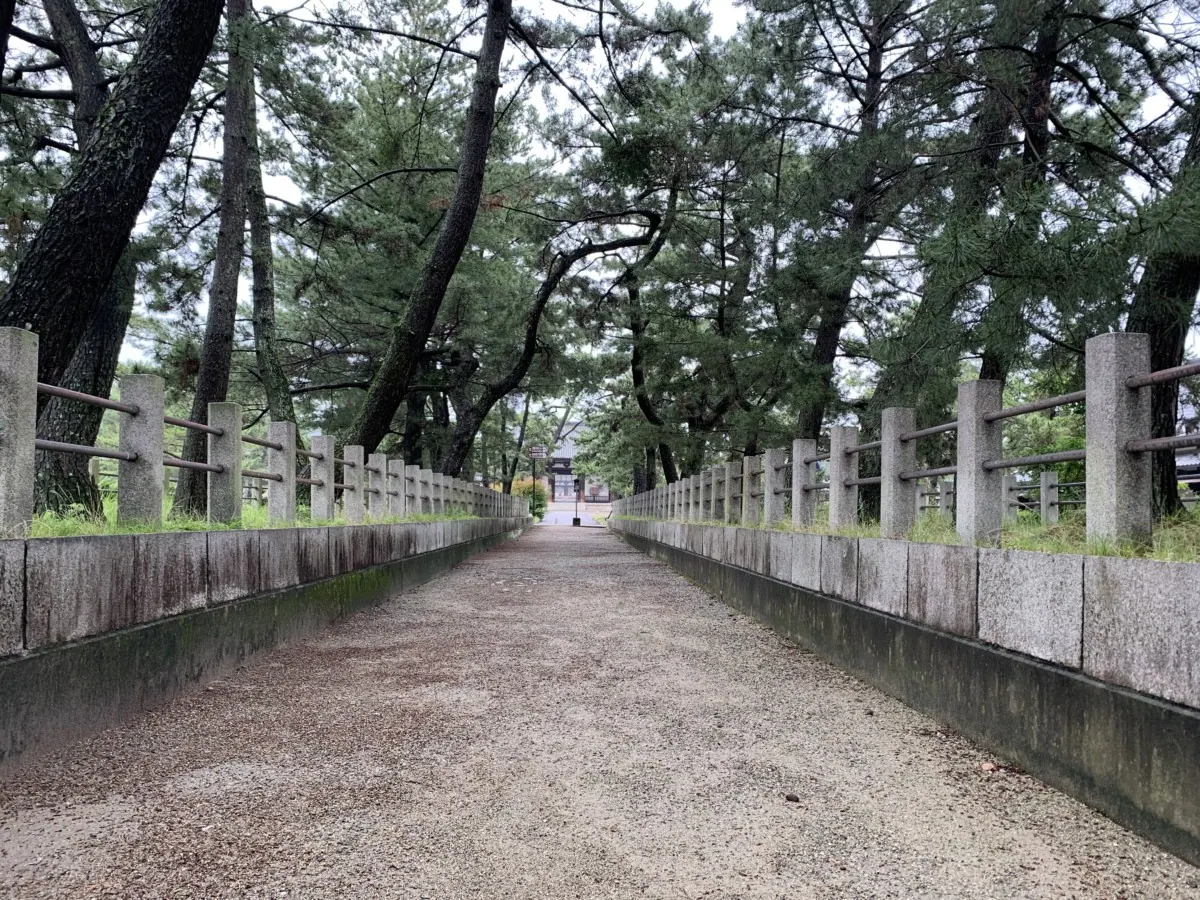
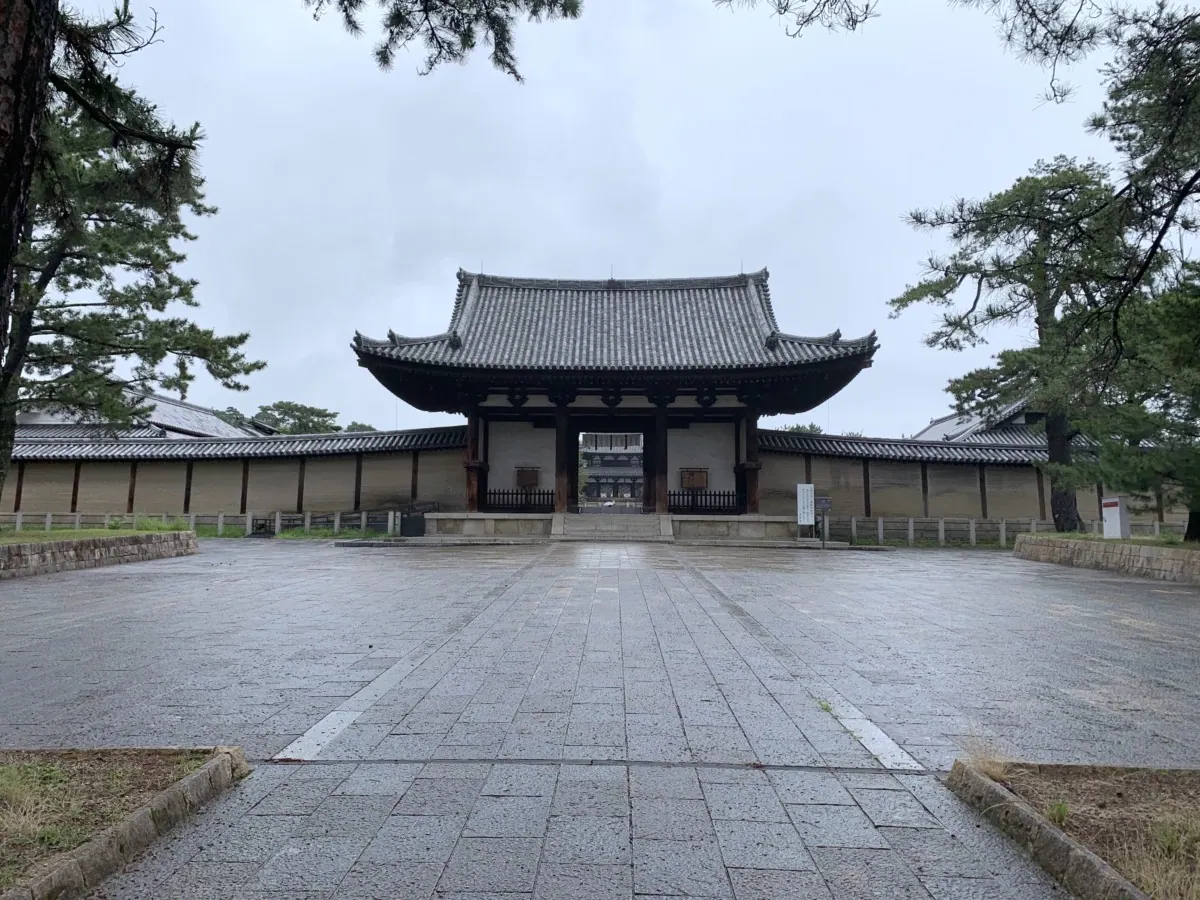
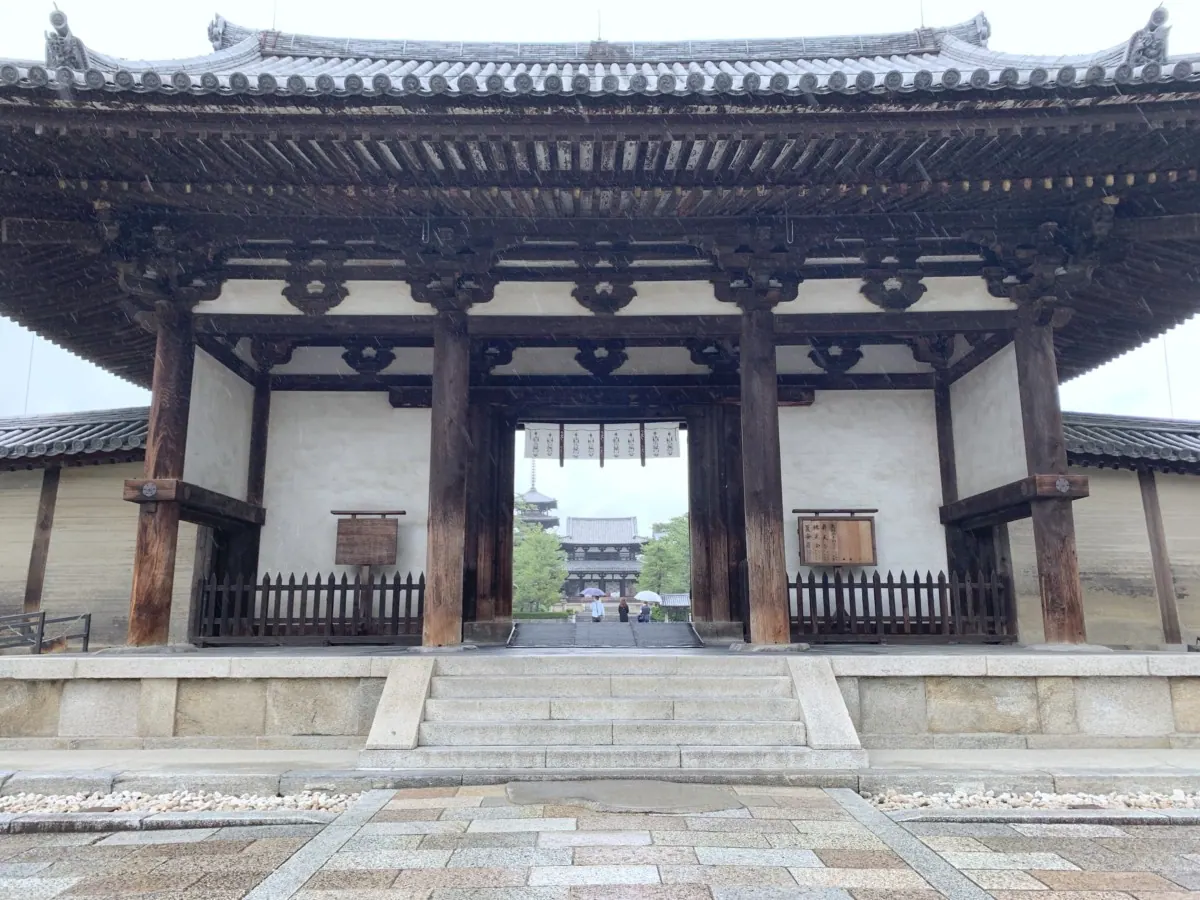
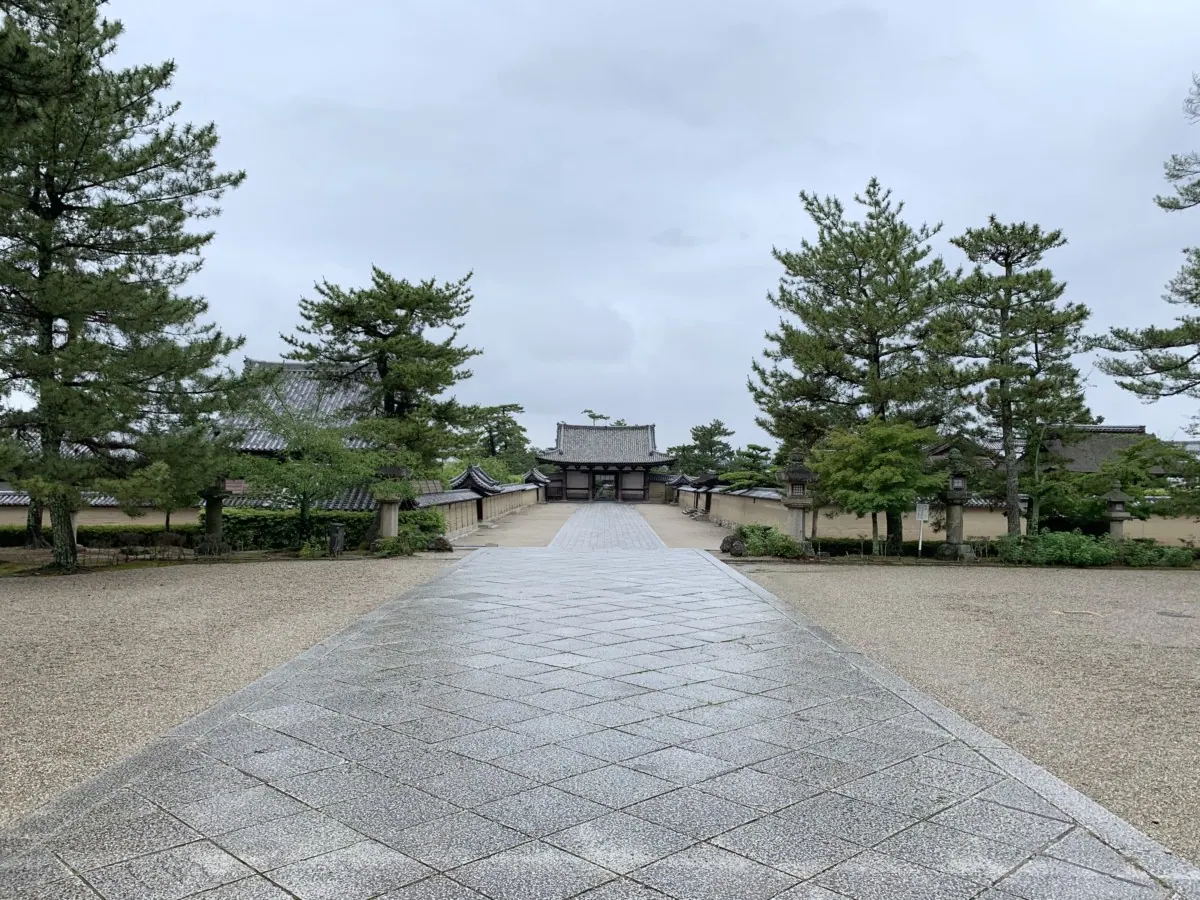
Past the pine-lined approach stands the Nandaimon (Great South Gate).
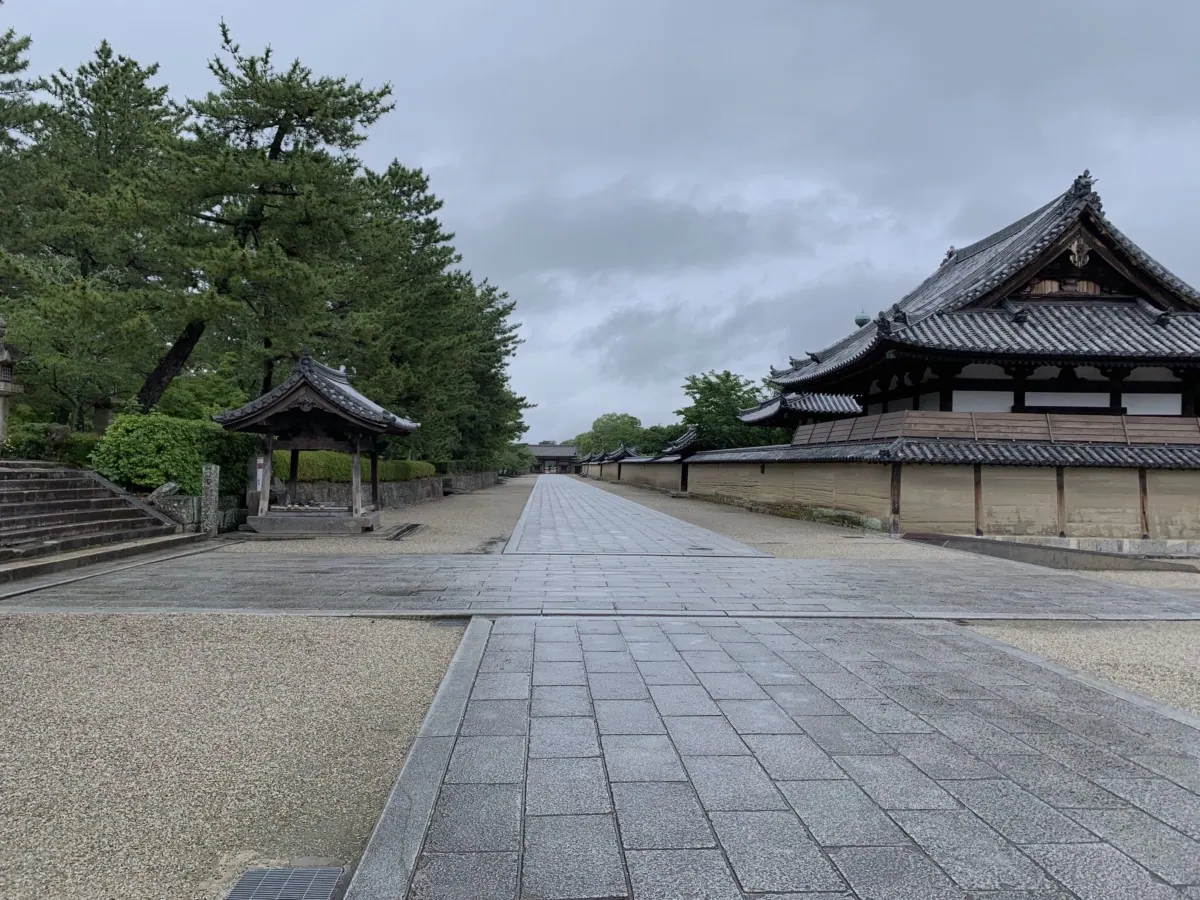
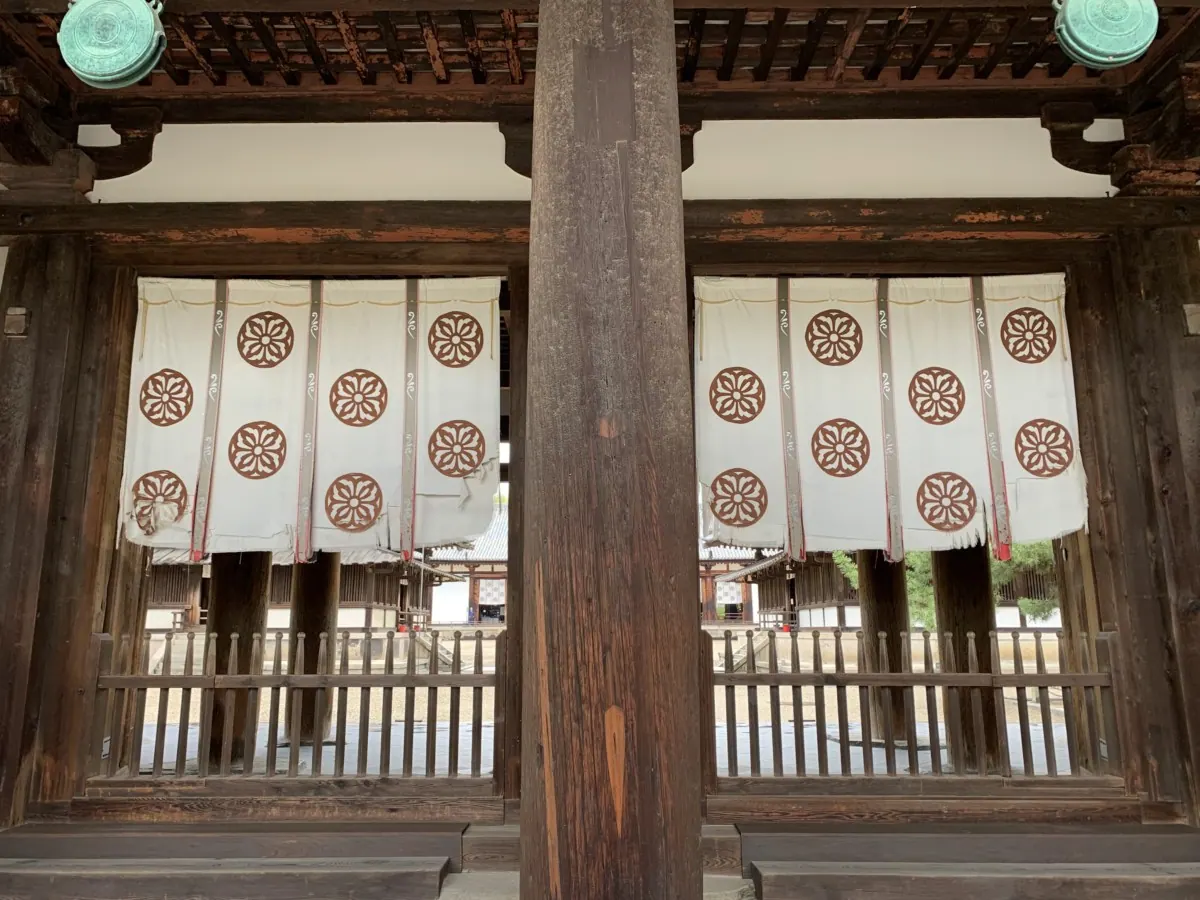
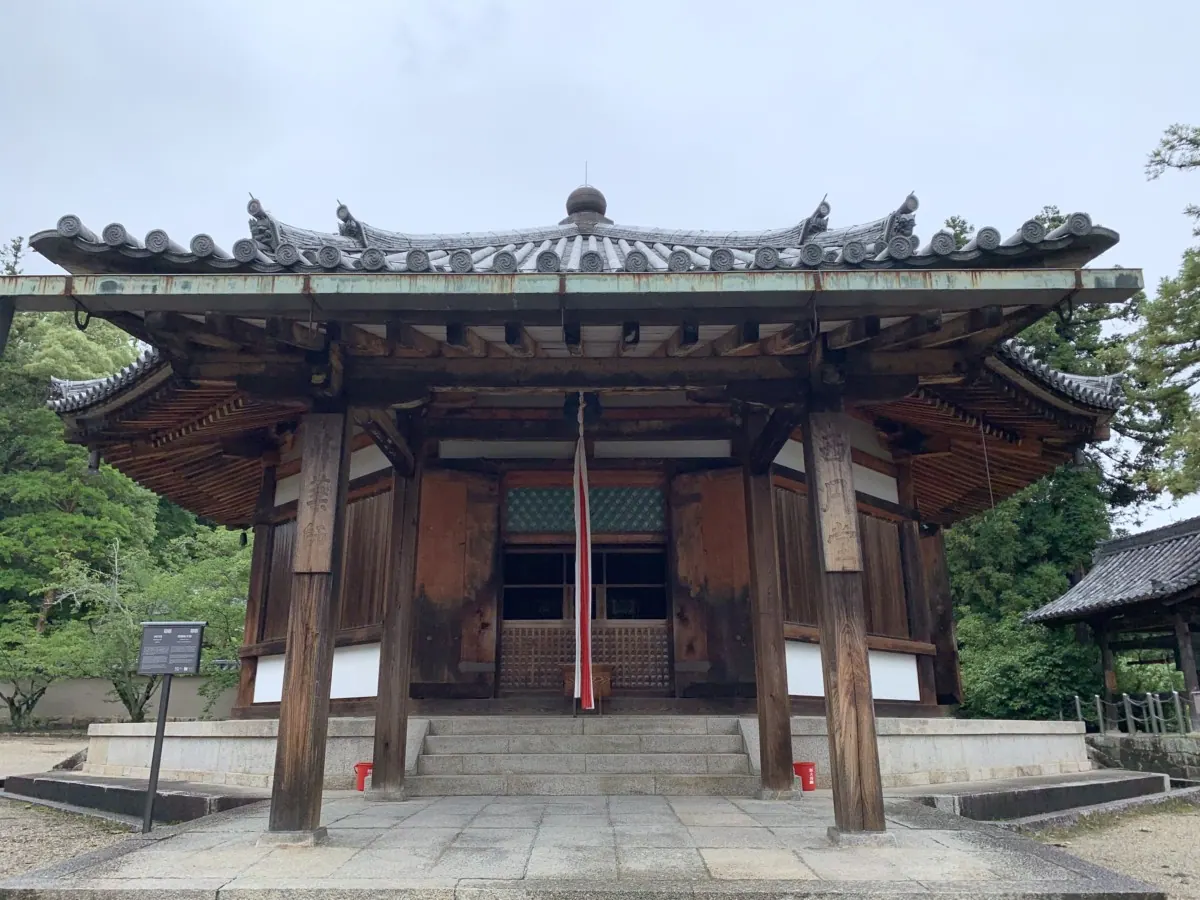
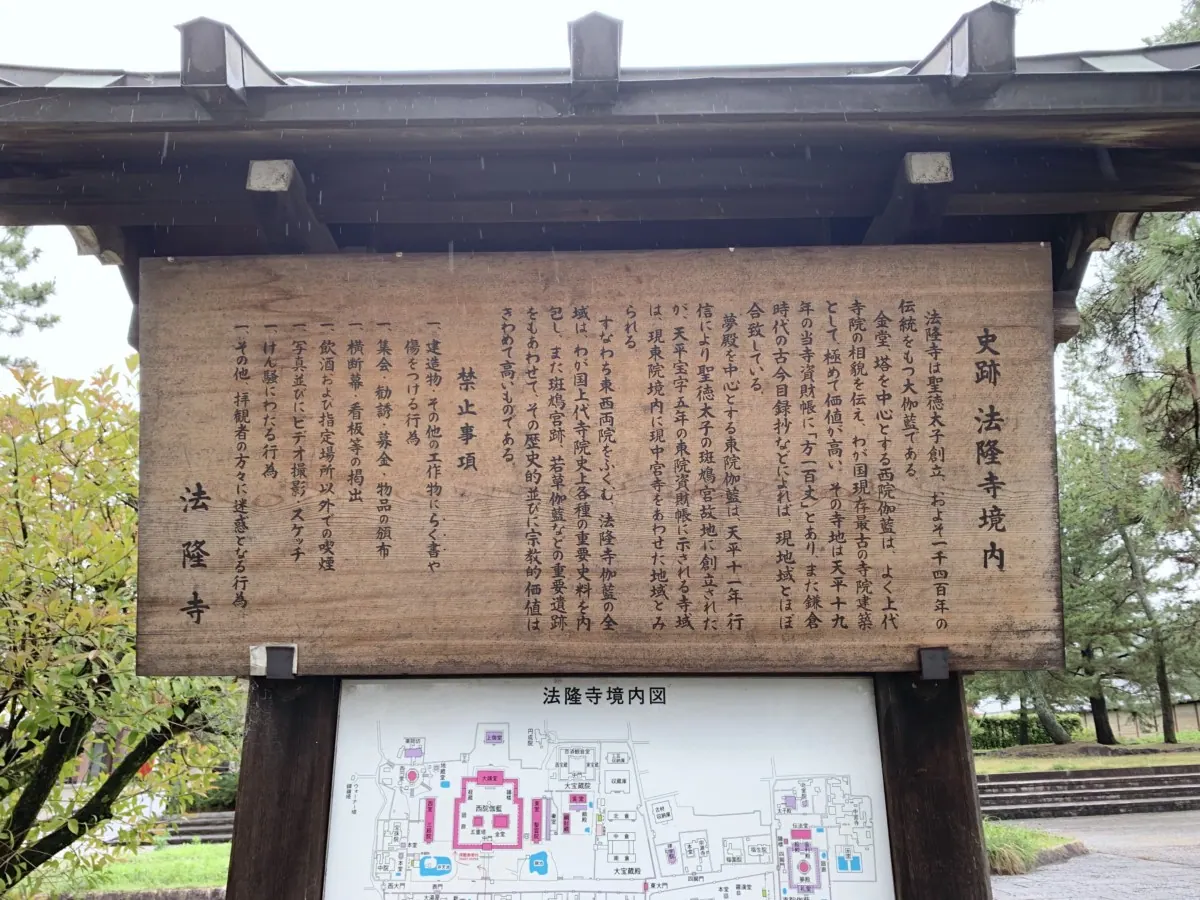
The grounds cover 187,000 square meters and consist of the Toin (Eastern Precinct), centered on the Yumedono (Hall of Dreams), and the Saiin (Western Precinct), centered on the five-story pagoda.
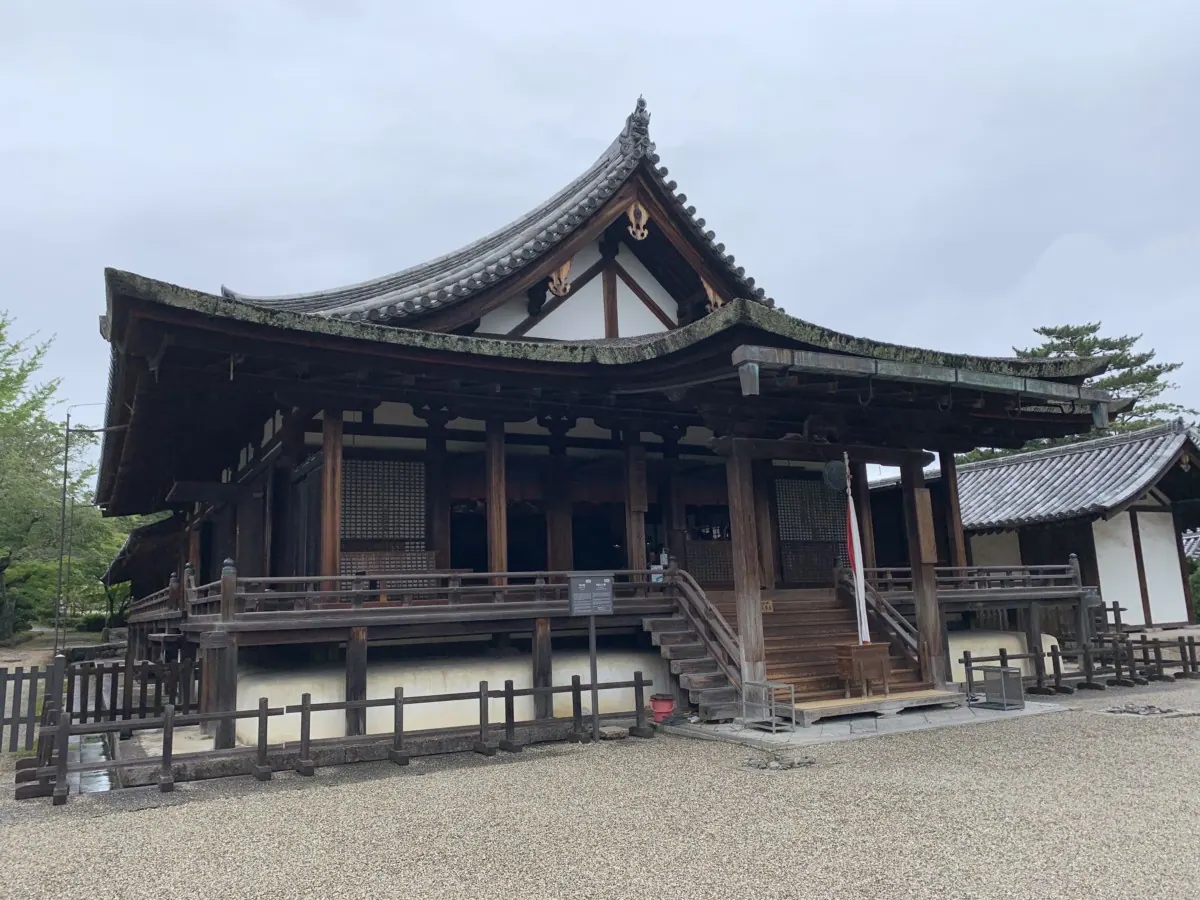
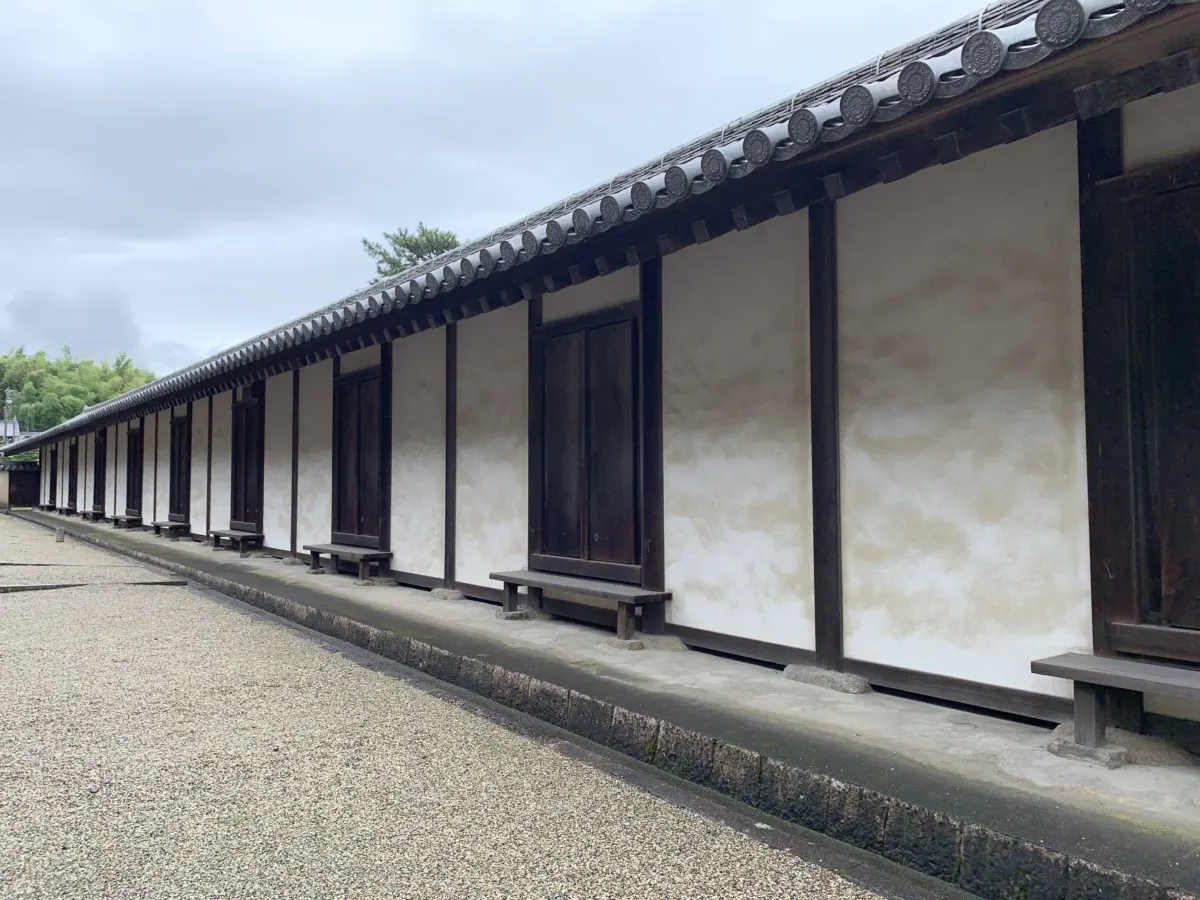
There are as many as 55 buildings designated National Treasures or Important Cultural Properties, and the temple holds nearly 3,000 works of Buddhist art. Around Horyu-ji stand other temples such as Hokki-ji, Horin-ji, Chugu-ji and Kichiden-ji.
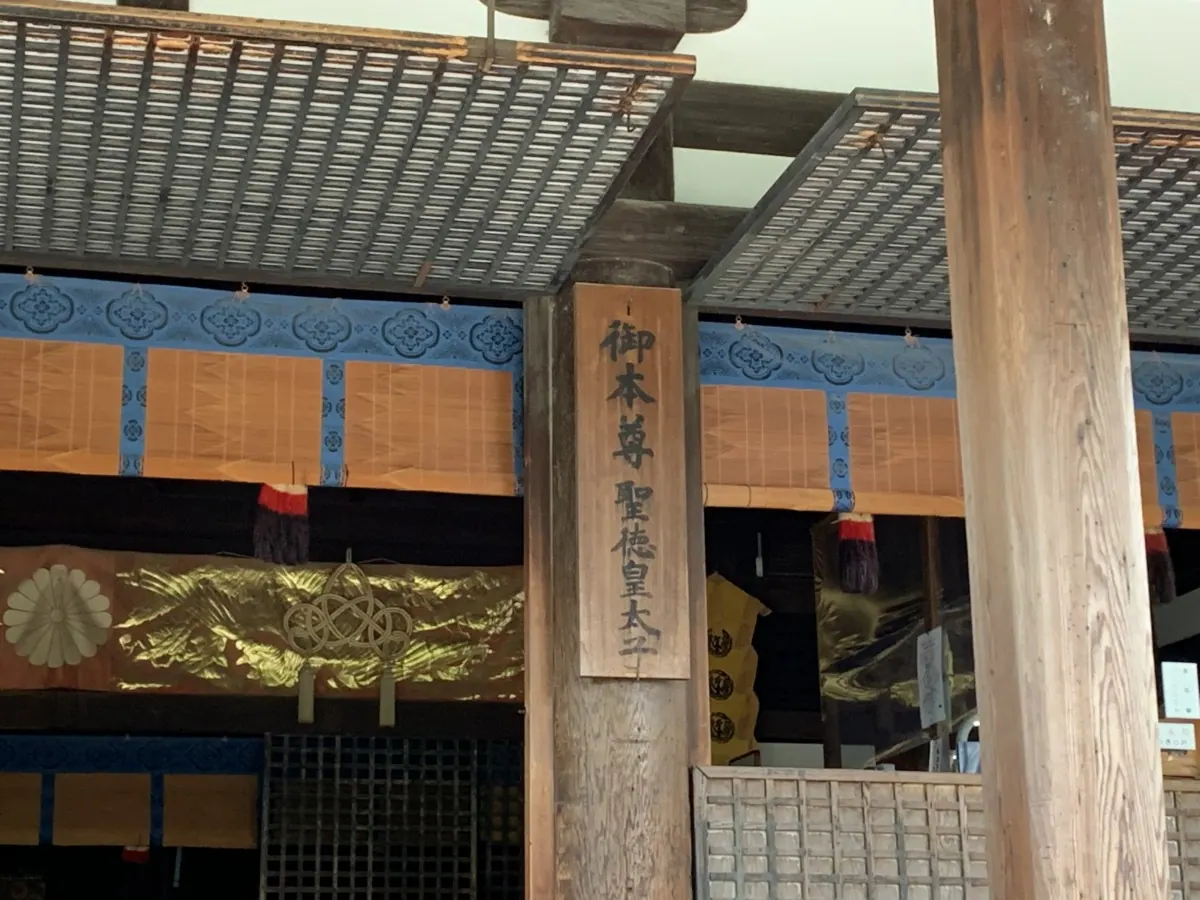
This place connected with Prince Shotoku will be handed down as a symbol of people’s happiness for generations to come.
Information
- Horyu-ji
- Address: 1-1 Horyuji Sannai, Ikaruga-cho, Ikoma-gun, Nara Prefecture
- Website: http://www.horyuji.or.jp
- Information is as of the original Japanese article (2020). Please check the official website for the latest details before visiting.